Current Development in Afghanistan: Infrastructure, Economy, and the Qosh Tepa Canal
Afghanistan in 2025 is experiencing a mix of development efforts and ongoing challenges as the country seeks to rebuild its economy and improve living conditions for its people. Since the reconfiguration of political power, the Afghan government has pursued several national infrastructure and economic projects aimed at stimulating growth, enhancing agricultural productivity, and addressing long-standing issues such as water scarcity, drought, and unemployment.
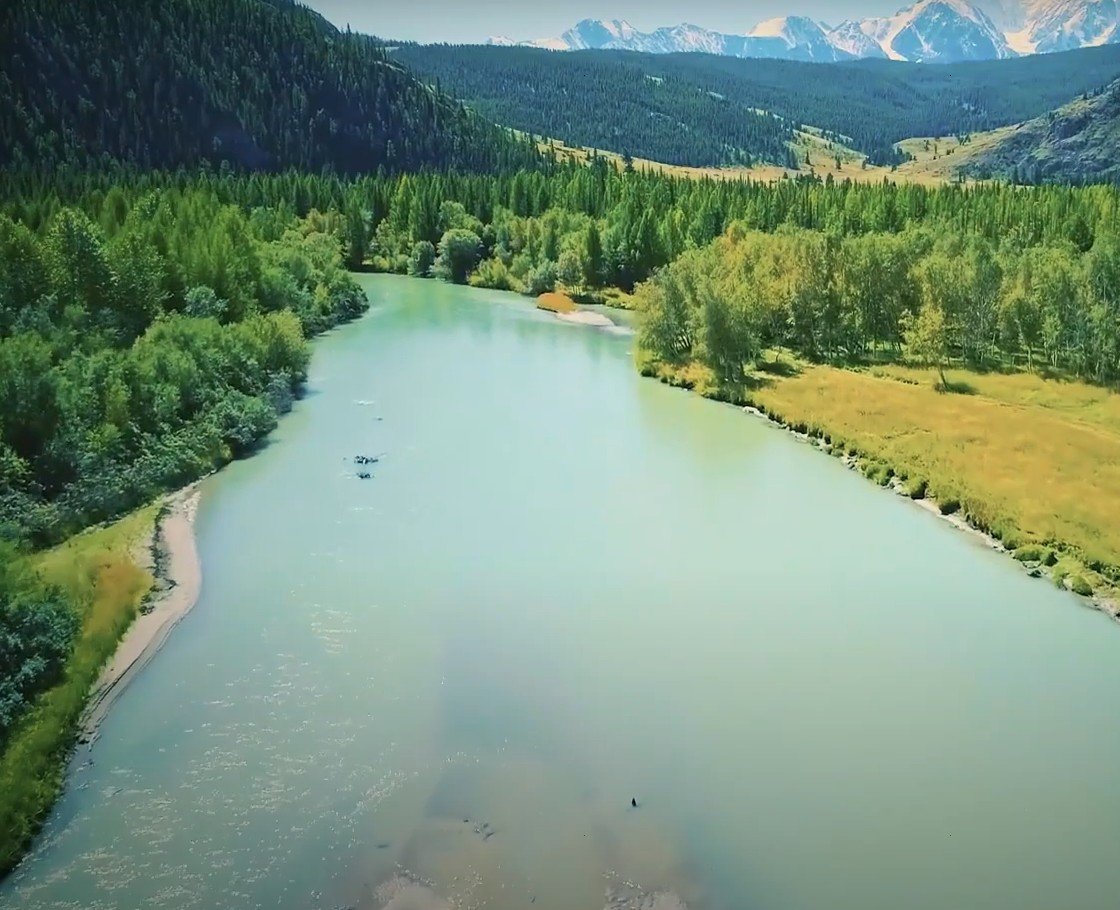
One of the most significant and ambitious projects underway is the Qosh Tepa Canal—a major water infrastructure initiative designed to transform Afghanistan’s northern regions. The canal is planned to stretch approximately 285 kilometers, diverting water from the Amu Darya River to previously dry and semi-arid areas of Balkh, Jowzjan, and Faryab provinces. Its construction began in early 2022 and has advanced rapidly, making it one of the nation’s largest irrigation undertakings in decades.
The Qosh Tepa Canal and Agricultural Development
The Qosh Tepa Canal is intended to irrigate more than 500,000 hectares of previously unproductive land, converting them into fertile fields suitable for crops such as wheat, corn, and other staples. Proponents argue that this expansion of irrigable farmland could significantly improve food security, reduce reliance on imports, and create thousands of jobs in rural areas where unemployment has been persistent.
According to recent government reports, the second phase of construction is nearing completion, with work on earthworks, dams, and supporting infrastructure such as bridges progressing quickly. Officials state that the main water intake structures and canal sections are being finished ahead of projected timelines, reflecting a concerted push to deliver tangible results.
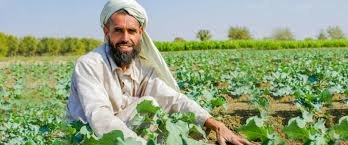
Local farmers in the north of Afghanistan are hopeful about the canal’s potential to stabilize agricultural output and provide a more reliable water supply in a region historically plagued by drought and water shortages. Community anticipation has been high, as many see the canal as essential for revitalizing farming and supporting rural livelihoods.
Benefits and Controversies
While the canal promises significant domestic benefits, it has also stirred debate—particularly with neighboring Central Asian countries. Because the Amu Darya River is a transboundary waterway, Afghanistan’s diversion of 20 – 30 % of its flow could impact downstream water availability in countries such as Uzbekistan and Turkmenistan, potentially affecting irrigation, hydroelectric power generation, and regional water security. Some analysts warn that without negotiated agreements, the project could lead to tensions over shared water resources.
Broader Development Context
The Qosh Tepa Canal is part of a broader push toward infrastructure improvement and economic resilience. Other water resource projects, road and bridge construction efforts, and job-creation initiatives are also underway, reflecting a government emphasis on nationwide development. However, challenges remain: Afghanistan continues to face issues related to international recognition, economic integration, and investment attraction—all crucial factors for long-term stability.
Looking Forward
As Afghanistan advances major projects like the Qosh Tepa Canal, the success of these initiatives will be closely watched both domestically and internationally. With tangible progress already visible, there is cautious optimism that enhanced agricultural capacity and improved water management can drive economic growth and food security. Continued cooperation, both within the country and with regional partners, will be essential to ensure that these projects deliver sustainable and equitable benefits across Afghanistan and beyond.


Comments 3
Leave a Comment
Share your thoughts about this article. You can comment as a guest or provide your details.
Fatima
February 22, 2026Guest_09d912b6 Guest
February 22, 2026Guest_91a733e1 Guest
February 22, 2026